
 Warehouse Security: 10 Proven Ways to Prevent Theft, Trespassing & Inventory Loss
 Warehouse Security: 10 Proven Ways to Prevent Theft, Trespassing & Inventory Loss
Warehouse theft, unauthorized access, vandalism, and inventory shrinkage cost businesses billions of dollars every year. Whether you’re operating a distribution center, manufacturing facility, logistics hub, or commercial warehouse, protecting inventory and maintaining operational continuity is critical to profitability.
Unfortunately, many warehouses have security vulnerabilities that make them attractive targets for criminals. Large footprints, multiple entry points, valuable inventory, and limited overnight staffing can create opportunities for theft and trespassing.
The good news is that modern warehouse security systems can significantly reduce risk while improving visibility, accountability, and operational control.
In this guide, we’ll explore the most effective warehouse security strategies, technologies, and best practices businesses can implement to help prevent theft, trespassing, and inventory loss.
Why Warehouse Security Matters
Warehouses often store:
- High-value inventory
- Equipment and machinery
- Electronics
- Building materials
- Consumer products
- Pharmaceuticals
- Automotive parts
A single theft incident can result in:
- Lost inventory
- Operational disruptions
- Delayed shipments
- Insurance claims
- Customer dissatisfaction
- Increased security costs
Beyond theft, warehouses must also address safety concerns, unauthorized access, vandalism, and liability risks.
A comprehensive warehouse security strategy helps businesses protect assets while maintaining efficient operations.
Common Warehouse Security Risks
Before implementing solutions, it’s important to understand the most common threats.
Employee Theft
Internal theft remains one of the largest security challenges facing warehouses.
Inventory, tools, equipment, and products can disappear over time without proper oversight.
External Theft
Organized theft groups often target warehouses because of the large quantity of valuable goods stored on-site.
Trespassing
Unauthorized individuals entering a warehouse property can create safety, liability, and security concerns.
Loading Dock Theft
Loading docks are common targets because inventory is constantly moving in and out of the facility.
Vandalism
Property damage can disrupt operations and create costly repairs.
Unauthorized Access
Former employees, contractors, and visitors may gain access to restricted areas if access permissions are not properly managed.
10 Proven Warehouse Security Strategies
1. Install High-Quality Warehouse Security Cameras
Video surveillance is one of the most effective warehouse security tools available.
A properly designed surveillance system should monitor:
- Building entrances
- Loading docks
- Inventory storage areas
- Parking lots
- Shipping and receiving zones
- Perimeter fencing
Modern warehouse security systems provide high-definition video, remote viewing, and intelligent search capabilities that improve investigations and accountability.
2. Implement Access Control Systems
Traditional keys create security challenges.
Commercial access control systems allow businesses to:
- Restrict access by employee
- Control access schedules
- Track entry and exit activity
- Instantly revoke credentials
- Manage multiple facilities
Badge access control and key card entry systems provide significantly greater visibility than traditional locks and keys.
3. Secure Loading Docks
Loading docks are often one of the highest-risk areas within a warehouse.
Best practices include:
- Camera coverage
- Access control
- Visitor management procedures
- Employee identification requirements
- Delivery verification processes
Proper monitoring can help reduce opportunities for theft and inventory loss.
4. Improve Exterior Lighting
Criminals prefer dark, poorly lit areas.
Adequate lighting around:
- Parking lots
- Loading docks
- Building entrances
- Perimeter fencing
can improve visibility while acting as a strong deterrent.
5. Use Proactive Video Monitoring
Traditional cameras record incidents after they occur.
Proactive Video Monitoring takes security a step further by combining AI-powered analytics with live monitoring specialists who can identify suspicious activity in real time.
Benefits include:
- Real-time detection
- Live audio intervention
- Faster response
- Reduced false alarms
- Increased deterrence
For many warehouses, proactive monitoring provides a significant security advantage during nights, weekends, and holidays.
6. Monitor Parking Areas
Warehouse parking lots often contain:
- Employee vehicles
- Company vehicles
- Delivery trucks
- Trailers
- Equipment
Parking lot surveillance helps improve overall site security while providing valuable evidence if incidents occur.
7. Control Visitor Access
Visitors, vendors, and contractors should follow established procedures before entering operational areas.
Visitor management policies should include:
- Sign-in requirements
- Temporary credentials
- Escort procedures
- Restricted access zones
These measures help improve accountability while reducing security risks.
8. Protect the Perimeter
The perimeter is the first line of defense.
Effective perimeter security may include:
- Fencing
- Gates
- Access control
- Surveillance cameras
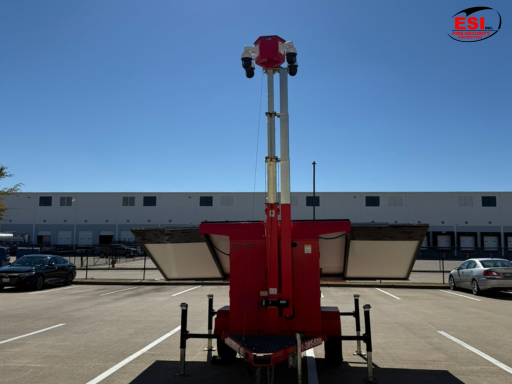
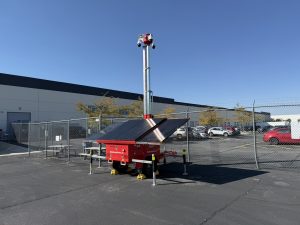
- Mobile Security Trailers
- Proactive Video Monitoring
Early detection helps reduce the likelihood of unauthorized entry.
9. Conduct Regular Security Audits
Warehouse operations evolve over time.
Regular security assessments help identify:
- Blind spots
- Equipment failures
- Access vulnerabilities
- Operational risks
Routine audits ensure security measures remain effective as facilities grow.
10. Train Employees on Security Procedures
Technology alone cannot eliminate risk.
Employees should understand:
- Access policies
- Visitor procedures
- Incident reporting
- Theft prevention measures
- Security awareness best practices
A security-conscious workforce often becomes one of the strongest defenses against loss.
Warehouse Security Systems Every Facility Should Consider
A layered security approach typically provides the best results.
Common warehouse security technologies include:
Video Surveillance Systems
Monitor operations and provide recorded evidence.
Access Control Systems
Manage who can access buildings and restricted areas.
Intrusion Detection Systems
Detect unauthorized entry attempts.
Mobile Security Trailers
Provide temporary or supplemental security coverage for large facilities, expansion areas, and remote storage locations.
Proactive Video Monitoring
Identify suspicious activity and intervene before incidents escalate.
Warehouse Security ROI: Is It Worth the Investment?
Many warehouse operators initially focus on security costs.
However, the better question is often:
What is the cost of a security failure?
A single theft incident can result in:
- Lost inventory
- Shipping delays
- Operational disruptions
- Insurance claims
- Customer service issues
- Reputational damage
In many cases, preventing one major loss event can justify the investment in upgraded warehouse security systems.
Additionally, improved visibility, accountability, and operational control often create ongoing value long after installation.
How Distribution Centers Benefit from Enhanced Security
Distribution center security has become increasingly important as e-commerce growth drives larger inventories and faster shipping requirements.
Distribution centers often operate:
- Around the clock
- Across large properties
- With frequent vehicle traffic
- With high inventory volumes
Advanced warehouse security solutions help operators maintain visibility while reducing opportunities for theft and unauthorized access.
Choosing the Right Warehouse Security Solution
Every warehouse has unique security requirements.
Factors to consider include:
- Facility size
- Inventory value
- Operating hours
- Number of employees
- Access requirements
- Existing security infrastructure
- Compliance obligations
The most effective solutions combine surveillance, access control, intrusion detection, and proactive monitoring into a comprehensive security strategy.
Why Businesses Choose ESI Fire & Security
Headquartered in Texas and serving customers nationwide, ESI Fire & Security helps warehouses, distribution centers, manufacturing facilities, and logistics operations protect their people, property, and inventory.
Whether you’re securing a single warehouse or a multi-site distribution network, ESI can design a customized solution that aligns with your operational and security goals.
Ready to improve your warehouse security strategy? Contact ESI Fire & Security today for a consultation and site assessment.
ESI Fire & Security Protection is one of three Honeywell Platinum dealers in Texas and is backed by over 25 years of industry experience. As leaders in the industry, we provide cutting-edge commercial security solutions, including Mobile Security Trailers, Proactive Video Monitoring, Video Surveillance, Access Control, and Intrusion Detection. Our team is dedicated to delivering top-tier solutions tailored to meet your needs, ensuring peace of mind for businesses across Texas and nation wide. Contact ESI Fire & Security today to learn how our Mobile Security Trailers and Proactive Video Monitoring solutions can help improve jobsite security and prevent costly theft and vandalism.
Frequently Asked Questions
Warehouse security refers to the technologies, systems, and procedures used to protect inventory, equipment, employees, and facilities from theft, trespassing, vandalism, and unauthorized access. Effective warehouse security often combines surveillance cameras, access control, intrusion detection, and proactive monitoring.
The most effective warehouse security systems typically include video surveillance, access control, intrusion detection, perimeter protection, and proactive video monitoring. A layered security approach provides better visibility and protection than relying on a single solution.
Warehouses can help prevent theft by implementing security cameras, access control systems, employee training, visitor management procedures, perimeter protection, and proactive monitoring. These measures improve accountability and reduce opportunities for both internal and external theft.
Warehouse access control systems help restrict access to authorized personnel, track employee activity, secure sensitive areas, and reduce the risk of unauthorized entry. Modern badge access control and key card entry systems provide greater visibility than traditional keys.
Proactive Video Monitoring combines AI-powered analytics with live monitoring specialists who can identify suspicious activity in real time. Operators can issue live audio warnings, verify threats, and help deter criminal activity before incidents escalate.
Distribution centers improve security by using surveillance cameras, access control systems, intrusion detection, perimeter protection, and proactive monitoring. These solutions help protect inventory, loading docks, vehicles, and employees while maintaining operational efficiency.
Common warehouse security risks include employee theft, inventory shrinkage, unauthorized access, loading dock theft, vandalism, trespassing, and after-hours criminal activity. Identifying these risks is the first step toward building an effective warehouse security strategy.
Warehouse security costs vary depending on facility size, number of entry points, surveillance requirements, access control needs, and monitoring services. The best way to determine pricing is through a customized security assessment based on your facility’s specific risks and operational requirements.