

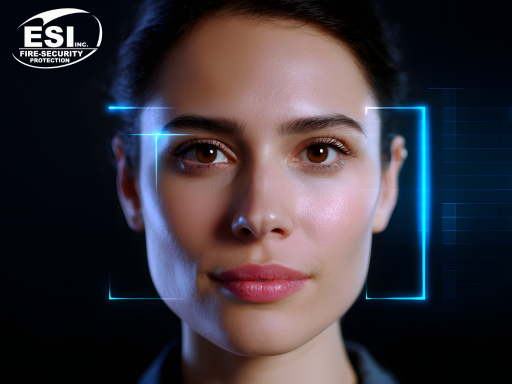
Human Verification in AI Security: Why AI-Powered Monitoring Still Needs People
Human verification in AI security plays a critical role in modern surveillance systems. While artificial intelligence has transformed how businesses monitor their properties, AI technology alone cannot fully replace human judgment. The most effective security solutions combine intelligent detection with trained professionals who verify alerts and determine whether a real threat exists.
AI-powered security monitoring is powerful, but when paired with human verification, it becomes significantly more accurate, reliable, and effective.
What is Human Verification in AI Security
AI-powered security monitoring uses intelligent software to analyze video feeds and detect unusual activity automatically. Instead of relying only on traditional motion sensors, AI systems evaluate patterns, objects, and behaviors.
Examples of AI detection include:
-
Unauthorized people entering restricted areas
-
Vehicles entering job sites after hours
-
Loitering around buildings
-
Perimeter breaches at commercial properties
These systems operate continuously, analyzing live footage from surveillance cameras and triggering alerts when suspicious activity occurs.
However, even advanced artificial intelligence can sometimes misinterpret environmental activity as a potential threat.
Why Human Verification in AI Security Matters
Human verification in AI security ensures that alerts generated by artificial intelligence are reviewed by trained professionals before action is taken.
When an AI system detects unusual activity, the video feed is sent to a monitoring center where an operator quickly evaluates the situation.
The operator determines whether the alert is:
-
A legitimate security threat
-
Authorized activity
-
A false alarm triggered by environmental factors
This verification process helps prevent unnecessary responses and ensures that real threats are handled quickly.
The Problem With AI-Only Monitoring
While AI technology dramatically improves surveillance capabilities, it does not fully understand context or intent.
Common triggers for false alerts include:
-
Animals crossing camera views
-
Moving shadows
-
Wind-blown debris
-
Rain or severe weather
-
Equipment movement on job sites
Without human verification, these alerts could lead to unnecessary responses or constant disruptions.
Human review ensures that alerts are accurate and actionable.
How Human Verification Improves Security Monitoring
Combining artificial intelligence with human verification creates a powerful layered security system.
Here are several ways this approach strengthens protection.
Reduced False Alarms
Human operators review alerts before escalating them. This dramatically reduces false alarms and prevents unnecessary law enforcement dispatches.
Faster Threat Response
When an operator confirms a threat, security teams can respond immediately by:
-
Issuing live audio warnings
-
Contacting property managers
-
Dispatching security personnel
-
Alerting law enforcement
Better Situational Awareness
AI detects movement, but humans understand behavior and context.
For example, an AI system might detect someone entering a construction site at night. A human operator can determine whether that person is an authorized worker, a delivery driver, or an intruder.
Where Human Verification in AI Security Is Most Important
Certain environments benefit significantly from combining AI detection with human monitoring.
Construction Sites
Construction sites contain expensive equipment and materials that are often targeted by thieves. Human verification allows security teams to quickly determine whether activity is authorized.
Commercial Properties
Businesses rely on security monitoring to protect employees, inventory, and infrastructure.
Industrial Facilities
Restricted industrial areas require precise monitoring where unauthorized access must be addressed immediately.
Vacant or Remote Properties
Properties without constant supervision benefit from AI monitoring supported by human verification.
Technology and Human Oversight: A Stronger Security Strategy
The most effective security solutions combine three key components:
-
AI-powered detection technology
-
Remote video monitoring
-
Human verification of alerts
Together, these elements create a proactive security system that can detect threats, verify them, and respond before incidents escalate.
Instead of cameras that simply record footage, modern systems actively protect properties.
The Future of AI Security
Artificial intelligence will continue to improve security technology. However, human verification will remain essential.
AI excels at analyzing data and identifying patterns. Humans excel at interpreting intent, behavior, and situational context.
When combined, they create a balanced security system that provides both speed and judgment.
Final Thoughts
Human verification in AI security ensures that surveillance systems are both intelligent and reliable. By combining AI detection with human decision-making, businesses can reduce false alarms, improve response times, and strengthen overall protection.
For construction sites, commercial properties, and industrial facilities, this technology-and-human approach delivers a smarter and more proactive security solution.