

Commercial Property Vandalism: 10 Proven Ways to Prevent It
Halloween is supposed to be about costumes, candy, and a little harmless fun. Unfortunately, some businesses end up dealing with something much more expensive the following morning: broken windows, graffiti, damaged equipment, or property that has been deliberately vandalized.
And while Halloween gets much of the attention, commercial property vandalism isn’t limited to October 31.
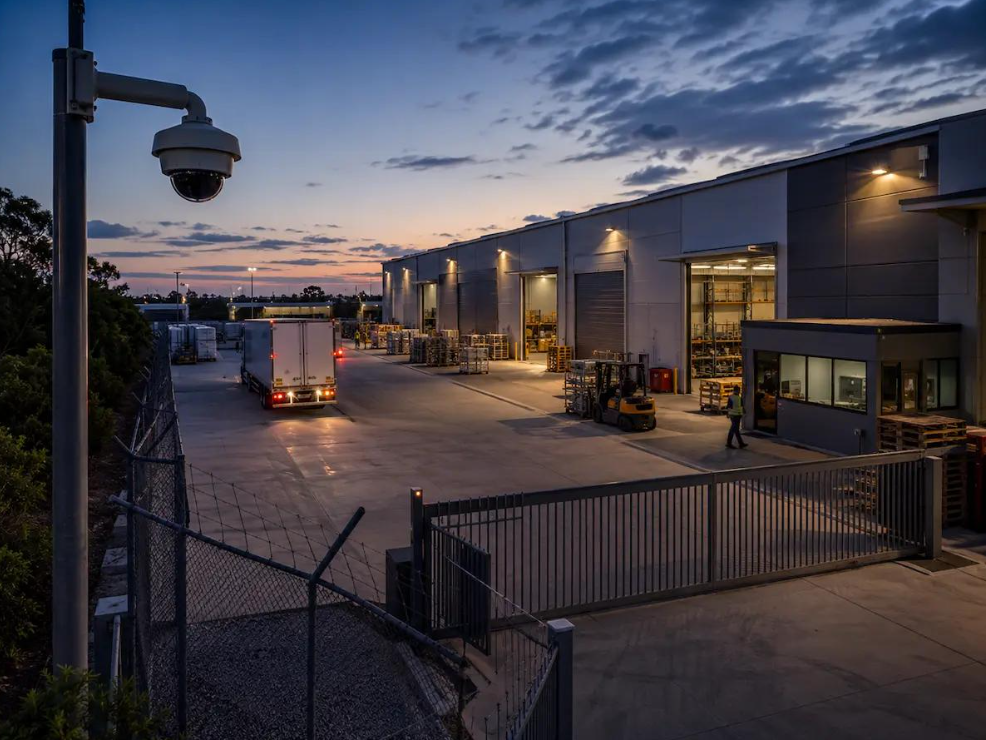
For businesses that close in the evening, weekends and holidays can create opportunities for unwanted activity. Empty parking lots, poorly monitored entrances, dark areas behind buildings, and unattended equipment can all become targets.
The financial impact can go well beyond cleaning up graffiti or replacing a broken window. Vandalism can interrupt business operations, damage expensive equipment, create safety hazards, and leave property owners dealing with repairs and insurance claims.
The good news is that businesses can take practical steps to reduce these risks.
Whether you manage a retail center, warehouse, construction site, office building, or industrial property, here are ten ways to strengthen security before Halloween and throughout the year.
Why Commercial Properties Can Be Vulnerable After Hours
Most businesses are designed around what happens during operating hours.
Employees arrive, deliveries are made, customers come and go, and management is on-site to address problems.
But what happens when everyone leaves?
A warehouse that is busy throughout the day may be completely unattended overnight. A shopping center may have plenty of activity until stores close, then sit largely empty for hours. Construction sites and equipment yards may have valuable materials and machinery stored outdoors with limited supervision.
These conditions don’t guarantee vandalism, but they can make suspicious activity less likely to be noticed immediately.
Common problems include graffiti, broken windows, damaged doors and locks, tampering with equipment, destruction of landscaping, and damage to parked vehicles.
For property managers, the biggest concern isn’t always the initial damage. It’s discovering that damage hours later, after the people responsible are long gone.
That’s why after-hours security deserves the same attention as security during normal business operations.
1. Identify Areas That Are Vulnerable to Vandalism
Before investing in additional security equipment, take a walk around your property.
Not just the front entrance.
Look at the building from the perspective of someone approaching after closing.
Pay particular attention to:
-
Rear entrances and service doors
-
Loading docks
-
Dumpsters and service alleys
-
Parking lots and parking garages
-
Exterior stairwells
-
Fenced storage areas
-
Utility equipment and HVAC units
-
Vacant sections of the property
-
Areas hidden by landscaping or parked trailers
These are often the places that receive less attention because they’re away from the main entrance.
A camera overlooking the front parking lot isn’t much help if someone is damaging equipment behind the building.
An effective security assessment identifies where problems could occur and determines whether your existing security measures provide adequate coverage.
2. Make Sure Your Security Cameras Provide Useful Nighttime Coverage
Having security cameras installed doesn’t necessarily mean your property is adequately protected.
We’ve all seen surveillance footage where you can tell someone was on the property, but you can’t make out enough detail to understand what happened.
That’s a problem, particularly after dark.
Camera placement, image quality, lighting, and distance all affect how useful your surveillance footage will be.
Before Halloween, review your camera system at night. Check whether cameras provide clear views of entrances, parking areas, loading docks, and other vulnerable locations.
Don’t rely exclusively on how the system looks during daylight hours.
Also consider whether changes to the property have created new blind spots. Parked trucks, storage containers, new fencing, and landscaping can all interfere with camera coverage.
ESI’s recommendation: If your cameras haven’t been evaluated in several years, a professional surveillance assessment may reveal coverage problems you didn’t realize existed.
3. Don’t Rely on Recording Alone
This is one of the biggest differences between traditional surveillance and modern commercial security.
A camera can record someone breaking a window, spray-painting a wall, or damaging equipment.
But what happens while the vandalism is taking place?
If nobody is watching or receiving meaningful alerts, the video may only help you investigate after the damage is done.
That’s where Proactive Video Monitoring (PVM) can make a difference.
Proactive monitoring combines video surveillance technology with trained monitoring personnel who can evaluate suspicious activity and respond according to established procedures.
Depending on the system and site configuration, monitoring personnel may be able to issue a live audio warning or escalate an event to the appropriate responders.
Imagine someone entering a restricted equipment yard late at night.
With traditional recording, management may discover the incident the next morning.
With an appropriately designed proactive monitoring solution, suspicious activity may be identified while the person is still on the property, giving monitoring personnel an opportunity to intervene before the situation escalates.
No security system can guarantee vandalism will never occur. But there’s a significant difference between documenting damage and having an opportunity to respond while it’s happening.
Need better security after your business closes?
ESI Fire & Security can evaluate your existing cameras and determine whether Proactive Video Monitoring or additional surveillance coverage makes sense for your property.
4. Improve Lighting Around the Property
Good lighting is one of the simplest ways to improve nighttime visibility.
Poorly lit areas can make it more difficult for cameras to capture useful footage and harder for employees, security personnel, or nearby businesses to notice unusual activity.
Focus on entrances, loading docks, pedestrian walkways, parking areas, and locations where expensive equipment is stored.
Lighting should be positioned to improve visibility without creating excessive glare or deep shadows.
More lighting isn’t automatically better. A bright light aimed directly toward a security camera can actually make the image worse.
The goal is to create consistent, useful visibility.
For properties with limited electrical infrastructure, solar-powered lighting may be worth evaluating.
5. Secure Doors, Gates, and Other Access Points
Vandalism doesn’t always involve someone climbing a fence or breaking through a window.
Sometimes access is much easier than it should be.
A gate may be left unsecured after a delivery. An employee entrance may not latch properly. A contractor may still have access credentials that should have been deactivated.
Before a holiday or extended closure, review the basics.
Are exterior doors closing and locking properly?
Are gates secured after business hours?
Have former employees and contractors had their access permissions removed?
Are restricted areas protected appropriately?
For businesses using electronic access control, permissions and schedules can be reviewed to ensure employees and vendors have access only when necessary.
Commercial access control also creates useful records of credential activity, particularly when integrated with video surveillance.
If an incident occurs at a controlled entrance, having access events associated with camera footage can make an investigation much easier.
6. Remove Easy Opportunities for Property Damage
Not every vandalism prevention measure requires new technology.
Sometimes small operational changes make a difference.
For example, leaving loose materials, unsecured tools, pallets, or other equipment outside overnight can create unnecessary opportunities for damage.
Before closing, make sure exterior storage areas are organized and valuable equipment is properly secured.
Check whether dumpsters, storage containers, or vehicles are positioned in ways that provide concealed areas near the building.
Pay particular attention to construction sites and properties undergoing renovations. These locations may have temporary openings, unsecured materials, and changing access points.
The less opportunity someone has to damage or misuse materials, the better.
7. Consider Mobile Security Trailers for Large or Temporary Properties
Some properties simply aren’t practical to cover with a traditional fixed-camera installation.
A construction site may change every few weeks. A vacant commercial building may need security for only a few months. A large outdoor equipment yard may have areas without convenient power or network access.
These are situations where a Mobile Security Trailer (MST) may be a practical solution.
ESI’s Mobile Security Trailers are designed to provide flexible surveillance coverage using elevated cameras, solar power, battery backup, and remote connectivity.
Depending on the configuration and site requirements, they can also support Proactive Video Monitoring and live audio intervention.
They’re particularly useful for:
-
Construction sites
-
Equipment yards
-
Vacant commercial properties
-
Outdoor storage facilities
-
Large parking areas
-
Temporary commercial operations
One of the advantages is flexibility. As the property changes or security needs move to another location, the trailer can be relocated.
For businesses that don’t want to invest in permanent infrastructure for a temporary need, that can make a substantial difference.
8. Pay Attention to Parking Lots and Exterior Common Areas
Parking lots are often among the largest areas of a commercial property, yet they’re not always covered as thoroughly as the building itself.
This becomes particularly important for shopping centers, office complexes, warehouses, and industrial facilities with vehicles left on-site overnight.
Vandalism in parking areas can involve damaged vehicles, broken lighting, graffiti, and destruction of property fixtures.
Review camera coverage around parking entrances, pedestrian routes, isolated corners, and areas where vehicles are stored overnight.
If your property includes multiple businesses, coordinate with tenants to identify recurring problems or areas where suspicious activity has been reported.
A shared understanding of the property’s vulnerabilities can help management make better decisions about security improvements.
9. Establish an After-Hours Security Plan Before Halloween
One of the most overlooked parts of commercial security is deciding what happens when something goes wrong.
Who receives an alarm?
Who is responsible for reviewing footage?
Who should be contacted if someone enters a restricted area?
Who can authorize access for emergency responders?
Who checks the property after a holiday?
Those questions should be answered before an incident occurs.
For businesses closing over Halloween weekend, review security procedures in advance and make sure the appropriate personnel know their responsibilities.
If you use a professional monitoring service, confirm that your contact information and response instructions are current.
For multi-tenant properties, communicate expectations with tenants, maintenance contractors, and property management personnel.
Technology works best when there’s a clear plan behind it.
10. Review Your Security System Before the Next Incident
It’s easy to postpone security improvements when everything appears to be working.
Cameras are recording.
Doors are locking.
The alarm panel shows no trouble.
But that doesn’t necessarily mean the system is meeting the property’s current needs.
Businesses grow. Operations change. Equipment ages. New vulnerabilities develop.
A commercial security assessment can help determine whether existing systems still provide appropriate coverage and functionality.
That doesn’t automatically mean replacing everything.
Sometimes a few camera adjustments can improve visibility. In other cases, adding analytics, integrating access control, upgrading outdated equipment, or introducing proactive monitoring may provide a more meaningful improvement.
The right solution depends on the property and the risks you’re trying to address.
What Should You Do If Commercial Property Vandalism Occurs?
Even with precautions in place, vandalism can still occur.
If you discover damage, prioritize safety. Avoid disturbing the scene unnecessarily, especially if a crime may have occurred.
Document the damage with photographs, preserve relevant surveillance footage, and contact law enforcement when appropriate.
If the damage creates an immediate safety concern, such as exposed electrical equipment, broken glass, or an unsecured entrance, restrict access until the hazard can be addressed.
Notify your insurance carrier according to your policy requirements and maintain records of repairs, expenses, and any interruption to business operations.
It’s also worth reviewing how the incident occurred.
Was the area covered by a camera?
Was the footage usable?
Was an alarm triggered?
Could the incident have been detected sooner?
The answers can help identify security improvements before another incident occurs.
Halloween Security vs. Year-Round Vandalism Prevention
Halloween is a good reminder to review security, but commercial property protection shouldn’t depend on the calendar.
The same areas that may attract unwanted activity during Halloween can remain vulnerable on weekends, holidays, and ordinary weeknights.
An empty commercial property doesn’t become less vulnerable simply because October is over.
A strong security plan should account for daily operations, overnight closures, seasonal changes, and periods when the property is unattended.
For businesses with valuable equipment, outdoor assets, or large properties, that may mean combining physical security measures with video surveillance, access control, intrusion detection, and proactive monitoring.
The objective is to create a security strategy that works throughout the year.
Protect Your Commercial Property Before Damage Happens
Replacing a broken window or cleaning graffiti is frustrating enough.
Discovering that an incident wasn’t captured clearly, or that suspicious activity went unnoticed for hours, can be even more frustrating.
Businesses shouldn’t have to wait for vandalism to discover weaknesses in their security.
At ESI Fire & Security, we help commercial and industrial customers evaluate existing security systems, identify vulnerabilities, and determine which solutions make sense for their operations.
Our solutions include commercial video surveillance, Proactive Video Monitoring, Mobile Security Trailers, access control, intrusion detection, and integrated security systems.
Whether you’re protecting a warehouse in Houston, a construction site in Dallas, a commercial property in Beaumont, or facilities across the country, the goal is the same: reduce security gaps and improve your ability to identify and respond to suspicious activity.
Don’t wait until the morning after Halloween to find out what your cameras missed.
Contact ESI Fire & Security to discuss your commercial property security needs and learn how proactive monitoring and modern surveillance technology may help protect your business after hours.
ESI Fire & Security Protection is one of three Honeywell Platinum dealers in Texas and is backed by over 25 years of industry experience. As leaders in the industry, we provide cutting-edge commercial security solutions, including Mobile Security Trailers, Proactive Video Monitoring, Video Surveillance, Access Control, and Intrusion Detection. Our team is dedicated to delivering top-tier solutions tailored to meet your needs, ensuring peace of mind for businesses across Texas and nation wide. Contact ESI Fire & Security today to learn how our Mobile Security Trailers and Proactive Video Monitoring solutions can help improve jobsite security and prevent costly theft and vandalism.
Frequently Asked Questions
Potentially vulnerable areas include loading docks, rear entrances, parking lots, service alleys, dumpsters, outdoor storage areas, and locations with limited lighting or visibility. Each property should be evaluated individually.
Visible security cameras may discourage some unwanted activity and can provide evidence after an incident. When paired with appropriate analytics and professional monitoring, cameras can also help identify suspicious activity and support a timely response.
Traditional security cameras generally record footage for live viewing or later review. Proactive Video Monitoring uses video technology and trained personnel to evaluate selected events and respond according to established protocols, potentially including live audio intervention.
Yes. Mobile Security Trailers can provide flexible surveillance coverage for vacant properties, construction sites, equipment yards, and other locations where permanent infrastructure may be impractical. Capabilities depend on the trailer configuration, connectivity, and site conditions.
Consider a combination of secured entrances, exterior lighting, video surveillance, intrusion detection, and professional monitoring. The right combination depends on the property, operating schedule, and security risks.
No. Weekends, holidays, extended closures, and normal overnight hours can all create periods when commercial properties receive less supervision. Security planning should address these periods throughout the year.