

Why AI Video Monitoring Outperforms Motion-Based Alerts for Commercial Security
Security technology has advanced significantly, yet many commercial properties and construction sites still rely on outdated motion-based alert systems.
The problem? Motion detection only recognizes movement. It cannot determine intent, analyze behavior, or distinguish between a real threat and harmless activity.
That’s exactly why AI Video Monitoring Outperforms Motion-Based Alerts in today’s commercial security environments.
If you’re responsible for protecting a construction site, commercial property, or high-value equipment, understanding this difference can save you time, money, and risk exposure.
The Problem With Traditional Motion-Based Alerts
Motion-based systems trigger alerts whenever something moves within a camera’s detection zone. They do not evaluate what caused the movement or whether it presents a threat.
This leads to common issues such as:
-
Wind-blown debris triggering alerts
-
Animals crossing the property setting off alarms
-
Passing vehicle headlights activating notifications
-
Employees working late causing unnecessary escalations
These repeated false alerts create what’s known as alarm fatigue. Over time, constant notifications cause teams to ignore alerts, delay response, or disable notifications altogether.
When a real security breach occurs, response time may suffer because alerts are no longer treated with urgency.
How AI Video Monitoring Changes the Game
AI-powered monitoring does far more than detect motion. It analyzes video data in real time to interpret activity and assess risk.
Modern AI systems can:
-
Distinguish between people, vehicles, and animals
-
Detect perimeter breaches
-
Identify suspicious behavior patterns
-
Recognize loitering after hours
-
Escalate only verified threats
Instead of generating alerts for every movement, AI filters out harmless activity and prioritizes genuine security risks.
This is a primary reason why AI Video Monitoring Outperforms Motion-Based Alerts in commercial and construction environments.
Fewer False Alarms and Greater Efficiency
False alarms waste resources, increase costs, and reduce credibility with local authorities.
AI video monitoring reduces false alerts by analyzing:
-
Object classification
-
Direction and speed of movement
-
Duration of presence (dwell time)
-
Behavioral anomalies
For construction sites and commercial facilities, this means fewer unnecessary dispatches and improved operational efficiency.
Faster, Verified Response
Law enforcement agencies often prioritize verified alarms over unverified motion alerts due to historically high false alarm rates.
AI monitoring systems provide verified events supported by real-time video analysis. This verification can improve response time and increase the likelihood of intervention before damage occurs.
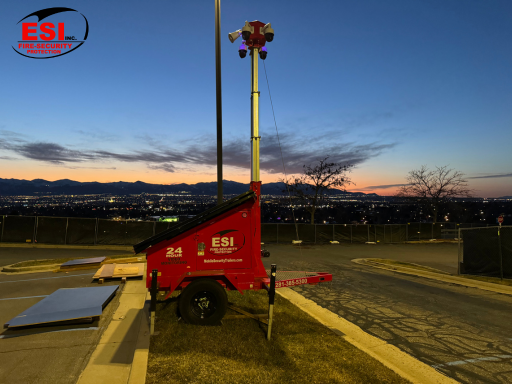
When integrated with mobile security trailers, AI systems can:
-
Trigger live voice-down warnings
-
Activate deterrent lighting
-
Alert remote monitoring teams instantly
-
Escalate to authorities with verified footage
This layered approach improves both prevention and response effectiveness.
Proactive Prevention vs Reactive Notification
Motion-based systems are reactive. They notify you after movement is detected.
AI monitoring is proactive. It analyzes behavior to identify threats before loss occurs.
AI systems can:
-
Detect loitering near valuable assets
-
Identify unauthorized access attempts
-
Track repeated suspicious activity patterns
-
Escalate concerns before theft or vandalism happens
For high-value construction equipment and commercial assets, this proactive approach significantly reduces risk exposure.
Why AI Monitoring Is Critical for Construction Sites
Construction sites present unique security challenges:
-
Expensive equipment left overnight
-
Open perimeters and changing layouts
-
Variable lighting conditions
-
Continuous environmental movement
Motion-based alerts struggle in these environments due to frequent non-threatening movement.
AI-powered systems adapt to these changing conditions, filtering environmental noise and focusing on real threats. This adaptability is another reason why AI Video Monitoring Outperforms Motion-Based Alerts on active job sites.
Cost-Effective 24/7 Protection
Traditional security often relies on overnight guards or reactive alarm systems. Both options can become expensive and inconsistent.
AI video monitoring provides continuous 24/7 oversight without fatigue, distraction, or human error. When combined with mobile security trailers, property owners receive elevated visibility, wide coverage, and rapid deployment without the ongoing labor cost of multiple guards.
The Bottom Line
Motion-based alerts were once considered advanced security technology. Today, they are no longer sufficient for protecting high-value commercial environments.
AI Video Monitoring Outperforms Motion-Based Alerts because it delivers:
-
Intelligent threat detection
-
Verified alerts
-
Faster response times
-
Fewer false alarms
-
Proactive prevention
For construction sites, commercial properties, and high-risk facilities, upgrading to AI-powered monitoring is not just a technological improvement — it’s a strategic security decision.
If your site is still relying solely on motion detection, it may be time to consider a smarter solution designed for today’s risks.